JD Vance Responds to Susie Wiles Calling Him a ‘Conspiracy Theorist’
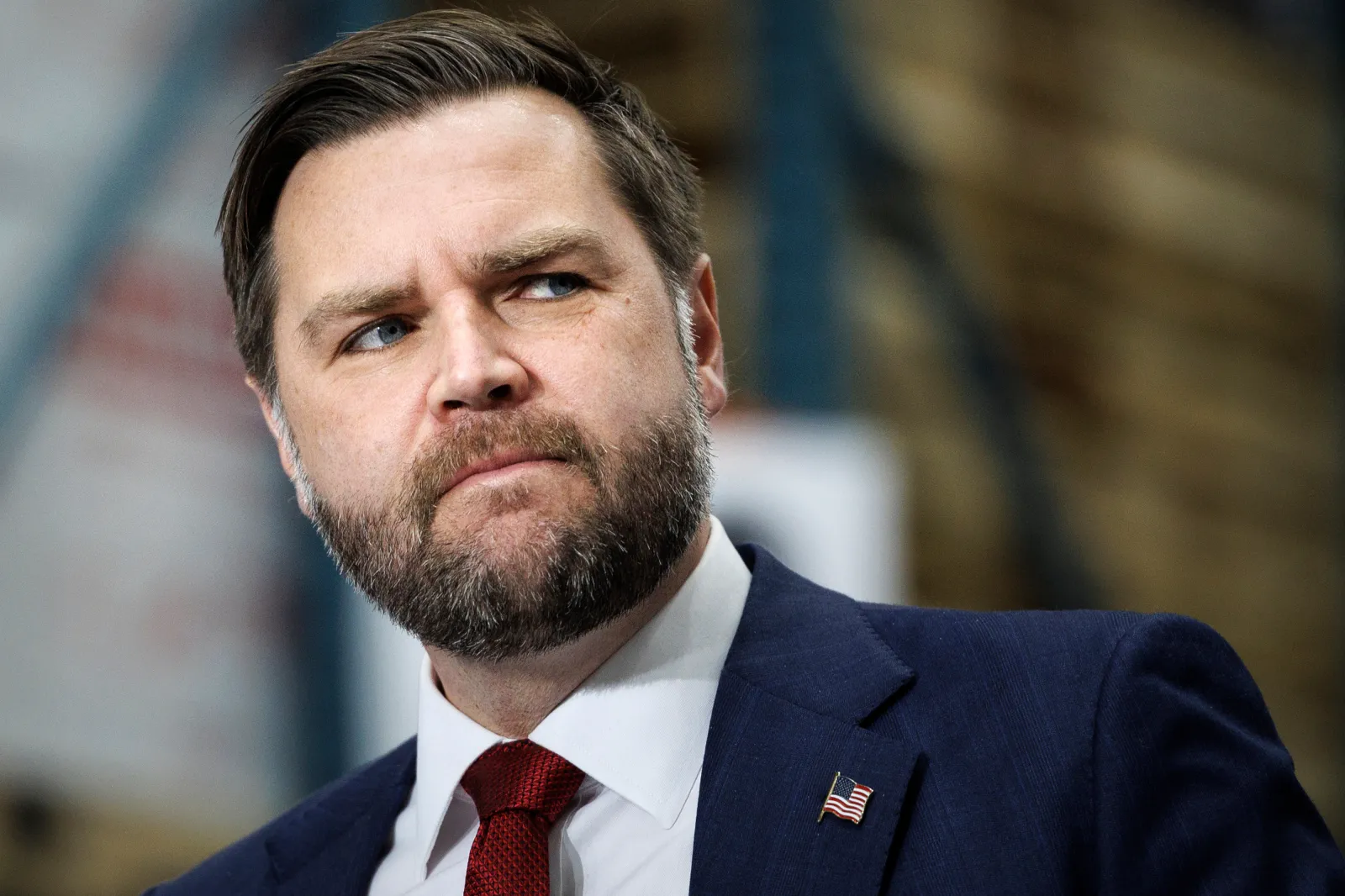
“Vice President JD Vance defended White House chief of staff Susie Wiles after a Vanity Fair article detailed internal tensions within the Trump administration, saying he has had disagreements with her but respects her loyalty to President Donald Trump.
Speaking in Allentown, Pennsylvania, Vance said he has “never seen her be disloyal to the president of the United States,” calling that quality essential for the role. He said Wiles has never contradicted the president behind the scenes or worked against him privately.
“I’ve never seen her be disloyal to the president of the United States and that makes her the best White House chief of staff that the president could ask for,” the vice president said. “I’ve never seen Susie Wiles say something to the president and then counteract him or say something behind the scenes."
Vance added that he believed the takeaway from the article was clear, saying he hoped it would lead to fewer interviews with what he described as mainstream media outlets.
“I hope that the lesson is we should be giving fewer interviews to mainstream media outlets," he said.
Vice President JD Vance delivers remarks at Uline Inc. in Allentown, Pa., Tuesday, Dec. 16, 2025. (Tom Brenner/The New York Times via AP, Pool)
What Did the Vanity Fair Article Say About JD Vance?
The Vanity Fair article portrayed the vice president as a political convert whose embrace of Donald Trump was driven by ambition rather than ideology, citing Wiles as referring to him as a “conspiracy theorist” and characterizing his evolution as an act of political expediency. The piece described tensions within the administration and suggested skepticism among some Trump allies about Vance’s motivations and consistency.
Vance responded to a question about him being a "conspiracy theorist" by saying, "Sometimes I am in conspiracy theorist, but I only believe in the conspiracy theories that are true."
What Did the Piece Say About Donald Trump?
The article depicted President Trump as presiding over an administration marked by internal rivalries, loyalty tests and distrust of the media, while remaining highly influential over aides and allies. It framed Trump as central to decision-making and portrayed his inner circle as sharply aware of his expectations for public loyalty, even as private disagreements persist behind the scenes.
In the article, Wiles is quoted as saying Trump had "an alcoholic’s personality"


No comments:
Post a Comment